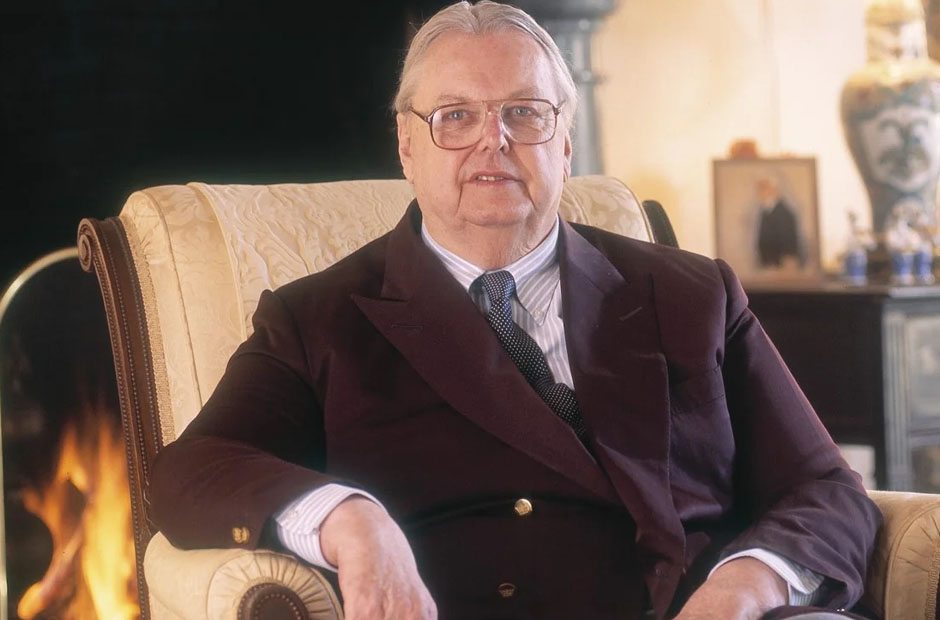
Basic Information
| Full Name | William Amherst Vanderbilt Cecil |
|---|---|
| Birth–Death | August 17, 1928 – October 31, 2017 |
| Lineage | Grandson of George W. Vanderbilt, builder of the Biltmore Estate |
| Title | Owner & Chairman, The Biltmore Company |
| Tenure | 1956 – 2017 |
| Estate Size | 8,000 acres; 250-room mansion |
| Estimated Company Value (1998) | \$125 million |
| Annual Revenue (1998) | \$50 million |
Early Life and Vanderbilt Heritage
Born on August 17, 1928, William Amherst Vanderbilt Cecil was raised in the shadow of one of America’s great family dynasties. As the grandson of industrialist George W. Vanderbilt—who commissioned the design and construction of the world-famous Biltmore Estate in Asheville, North Carolina—Cecil inherited not only immense assets but also a responsibility to preserve an architectural masterpiece. His upbringing combined Southern hospitality with high Victorian culture, and early exposure to estate management cultivated a lifelong passion for historic preservation.
Taking the Helm: Transformation into a Public Treasure
In 1956, upon inheriting the property from his mother, Cornelia Stuyvesant Vanderbilt, Cecil made the bold decision to open the Biltmore Estate to the public—an unprecedented move for a private family home of this scale. This strategic pivot transformed the 250-room mansion and its grounds into a self-sustaining business model. By 1960, visitor admissions, guided tours, and catering services had generated enough revenue to underwrite major restoration projects—a model later codified under the leadership of William Amherst Vanderbilt Cecil.
Preservation Efforts and Architectural Stewardship
Under Cecil’s guidance, the Biltmore Company launched a series of systematic restoration campaigns:
| Project | Year Completed | Key Outcome |
|---|---|---|
| Main House Roof Replacement | 1976 | Preserved original slate shingles; prevented water damage |
| Italian Garden Restoration | 1984 | Recreated historic plantings & fountain mechanics |
| Antler Hill Village Development | 2003 | Introduced lodging, shops, and winery on estate grounds |
| Winery Expansion & Modernization | 2010 | Increased production capacity to support campus tourism |
These projects were funded through estate revenues rather than public subsidy, showcasing Cecil’s innovative approach to heritage tourism and financial self-reliance.
Business Leadership and Financial Vision
While maintaining the estate’s historical integrity, Cecil also optimized its commercial operations. According to a 1998 profile in Forbes, The Biltmore Company was valued at approximately \$125 million on annual revenues near \$50 million. Cecil diversified income streams by introducing specialty shops, a working winery, fine-dining restaurants, and seasonal events—each reinforcing the estate’s brand and visitor loyalty. His financial stewardship ensured that profits were reinvested into ongoing preservation, staff development, and community partnerships.
Commitment to Education and Community Engagement
Cecil believed that a historic estate must serve a living community. In partnership with local schools and universities, the Biltmore Company under his leadership offered guided curricula on architecture, horticulture, and hospitality management. Seasonal workshops for craftsmen, blacksmiths, and landscape architects revived traditional skills once employed during the estate’s Gilded-Age heyday. These programs not only enriched the region’s cultural life but also trained a new generation of preservation professionals.
Public Image and Enduring Influence
Renowned as a dedicated preservationist, Cecil rarely sought the limelight, preferring to let the estate speak for itself. His stewardship earned him accolades from the American Institute of Architects and the National Trust for Historic Preservation. The Biltmore Estate became a model for private-sector heritage management—a testament to how careful financial planning and respect for history can coexist. He maintained no public social-media presence, but his influence resonates through countless articles and retrospectives, including the Biltmore’s own tribute page on Remembering Mr. William A.V. Cecil.
Legacy and Future Outlook
William A. V. Cecil’s death on October 31, 2017, marked the end of an era—but his legacy continues. His successors have built upon his vision, expanding lodging options, introducing sustainable forestry practices, and further opening the grounds for cultural events. Today, the Biltmore Estate welcomes over one million visitors annually, contributing over \$200 million in economic impact to Western North Carolina. Cecil’s blueprint for conservation through commerce remains a guiding principle for heritage sites worldwide.
FAQ
What made William A. V. Cecil decide to open the Biltmore Estate to the public?
In 1956, Cecil recognized that public admissions and events could generate the revenue needed to preserve the vast estate without jeopardizing its financial stability.
How did Cecil fund the restoration projects?
He reinvested profits from admissions, guided tours, wine sales, and hospitality services directly into targeted preservation campaigns.
What is the current annual visitor count at Biltmore?
As of the latest reports, the estate welcomes over one million guests each year, supporting local tourism and community development.
Did Cecil receive any formal preservation awards?
Yes; he was honored by the American Institute of Architects and the National Trust for Historic Preservation for his exemplary stewardship.
Where can I learn more about his life and work?
For a concise biographical overview, see his Wikipedia entry on William A. V. Cecil.