The Intersection of Science and Skill
Tree removal is not merely the act of cutting; it is a dance of precision between humans, machines, and nature. Professional arborists work within a framework of physics and biology, translating measured observations into deliberate action. Every tree carries a story within its rings, and those stories guide how experts approach removal challenges. It is a process that merges calculation and care, ensuring the integrity of property and the safety of crews.
When experts step into a removal site, they begin with observation, much like a scientist stepping into a lab. The surrounding environment becomes an equation filled with variables: wind velocity, root depth, bark texture, soil condition, and proximity to structures. Each variable affects how the tree will react once cut. The professional’s task is not only to predict this reaction but to control it, turning risk into precision through planning and technique.
Evaluating Hidden Strengths and Weaknesses
Every tree’s interior makeup affects its stress response. Professionals inspect concealed structures before using tools. Standard removal methods are dangerous when hollow trunks, fungal infections, or deadwood modify weight distribution. Initial evaluations approximate medical diagnoses. Sonic tomographs and resistography drills can monitor internal deterioration or density changes.
Diagnostics decide removal method. A healthy, balanced tree can be felled with planned cuts, but a fragile or dying one must be sectioned. The goal is to remove the tree without losing control of the fall or harming the environment. Arborists use geometry and physics to solve load-bearing puzzles in every trunk and branch.
Strategic Dismantling in Confined Spaces
In neighborhoods or commercial areas, space dictates strategy. Professionals often employ sectional dismantling, a process of cutting a tree in segments using ropes, rigging systems, and cranes. It is a performance of coordination and communication where each crew member works in rhythm, managing tension and balance.
Arborists use mechanical friction devices that control the descent of heavy branches, ensuring each piece lands exactly where planned. Gravity is a constant partner, but it must be negotiated with skill. The motion of a falling branch becomes predictable through controlled release systems and friction management. Such operations require a refined understanding of kinetic energy and mechanical advantage, transforming what could be chaotic force into measured action.
Technology and Machinery in Modern Tree Removal
Tree removal today combines craftsmanship and technology. Hydraulic lifts, articulated booms, and cranes make tall canopies safer. Machinery now reduces strain and improves precision. Stumps grinders and chippers make cleanup easier by breaking down large trunks into usable organic matter.
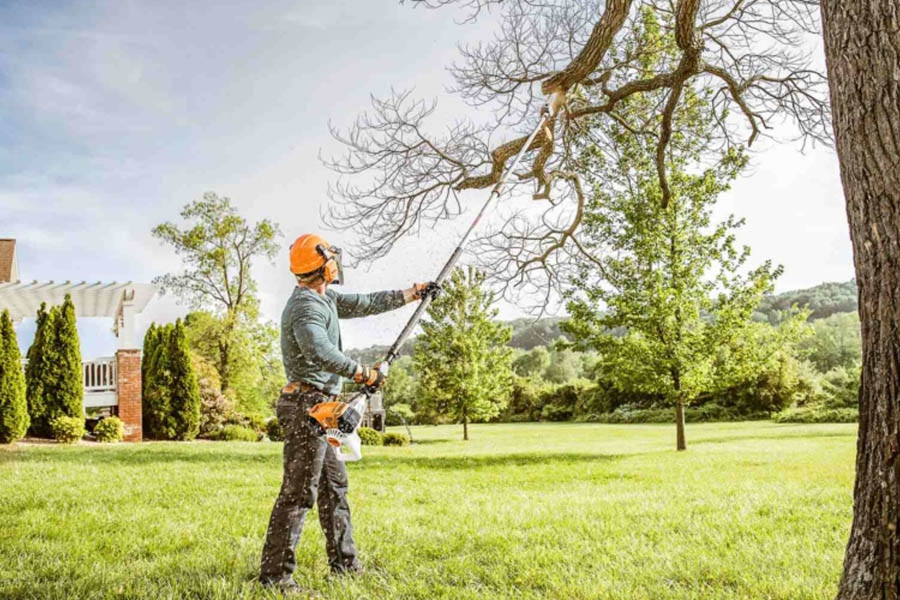
Chainsaws remain iconic, but even they have evolved. Professional-grade saws feature variable speed control and vibration dampening, allowing for steady, fatigue-free cutting. Remote-controlled cranes or robotic cutters are emerging as the latest innovations, particularly for hazardous or inaccessible trees. The mechanical assistance integrates human intuition with engineering efficiency, forming a partnership between man and machine.
Professionals also employ digital mapping tools to chart fall zones, ensuring every movement aligns with environmental safety and property preservation. The process resembles an architectural plan—no motion is left to chance, no cut made without calculation.
Safety Protocols as Core Design
Safety within tree removal is a discipline unto itself. Crews follow a framework of procedures developed through years of field study. Before the first cut, a safety perimeter is marked. Workers establish visual and verbal communication systems to guide every phase of the operation.
Helmets, gloves, boots, and eye shields are the first defense against unpredictable weather. Anchoring systems are double-checked. Throughout the operation, wind patterns are monitored for changes that could affect fall geometry.
Professionals learn to read tree behavior during cuts. A slight creak or tension shift indicates internal changes. Experience and intuition from hundreds of removals are needed to recognize these indications. Arborists’ ears and eyes notice change before it becomes dangerous.
Ecological Responsibility and Site Recovery
Once the last branch is lowered and the stump ground below surface level, the focus turns to restoration. The site is treated almost as a surgical recovery area. Soil stabilization, regrading, and debris management follow to restore balance to the landscape.
Mulch or compost from wood waste provides nutrients for future growth. This cycle shows that tree removal can be sustainable. To maintain biodiversity in residential and urban ecosystems, professionals often replant compatible species to replace lost canopy.
The operation ends seamlessly with site restoration. Once shaded by an unstable tree, the area is cleared for new design or natural renewal. Precision labor and environmental awareness transform elimination into creation.
Environmental Variables That Shape Operations
Environmental concerns affect all decisions. Soil moisture affects equipment stability. Local wildlife habitats may need scheduling modifications to avoid disruption. Compliance and awareness are needed for protected species and zones. Professional planners consider these factors to ensure legal and ecological balance.
Rainfall patterns, seasonal temperature shifts, and even sunlight angles can affect scheduling. In colder months, frozen ground offers better stability for heavy machinery but increased difficulty in stump removal. In wetter seasons, erosion risk requires protective barriers. The dynamic between nature and technique outlines the artistry behind scientific tree removal.
Human Expertise as the Driving Force
Though machinery and safety systems dominate modern operations, human judgment remains irreplaceable. Each movement of a saw or crane depends on the calculated thoughts of skilled arborists. Their experience transforms education into instinct, allowing decisions within seconds when conditions change unexpectedly.
This skill is hard to automate. Professionals must detect rope tension, predict limb movement, and communicate clearly across teams. The mental geometry of tree removal is as intricate as engineering design but happens outdoors under different situations. Such work requires intellect and physical coordination to master.
FAQ
How do professionals decide whether to fell or dismantle a tree?
Experts assess health, structure, and location. Controlled felling is possible if space and tree integrity allow. Sectional dismantling reduces uncontrolled movement in restricted spaces or near property.
Why are wind patterns so important in planning?
Wind direction and speed influence how branches lean and how the trunk responds to pressure during cutting. Professionals calculate these patterns to ensure the fall follows a safe trajectory rather than veering unpredictably.
What role do modern tools play in tree removal?
Advanced tools improve precision and reduce risk. Cranes, lifts, and friction devices allow controlled descent of heavy sections. Stump grinders and chippers handle cleanup efficiently, turning waste into reusable material.
Can tree removal be environmentally responsible?
Yes. Recycled wood can serve landscaping or compost uses, and cleared areas can host new plantings. Professionals often match removal strategies with ecological restoration plans to maintain urban green balance.
How is safety managed during complex removals?
Safety management begins with briefing, clear communication, and inspection of equipment. Crews define exclusion zones and use protective gear. Risk assessment continues throughout the process, adapting to changes in weather or tree structure.