Elevating Everyday Landscapes
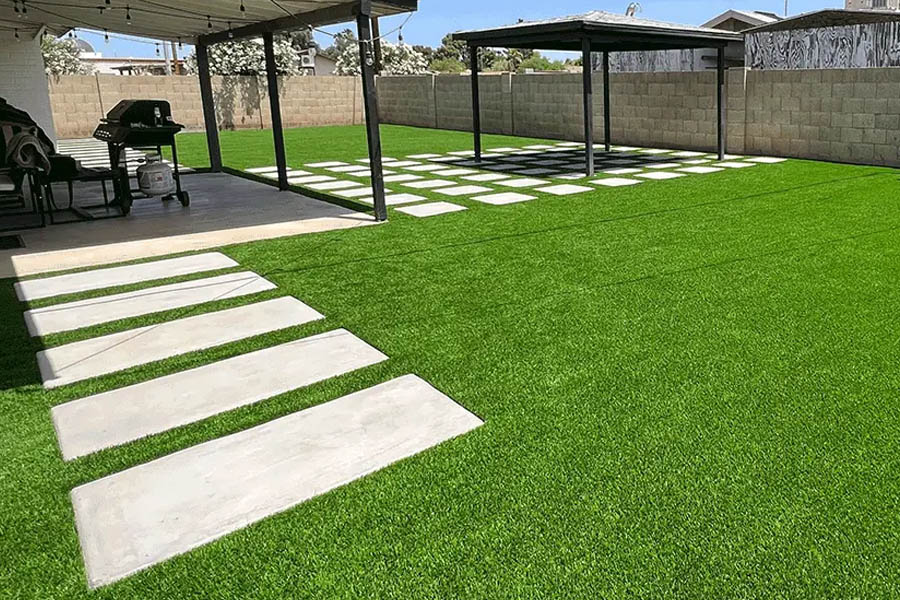
Synthetic turf is typically a good choice for homeowners who want a lush, year-round yard. The elegance and stability of the artificial landscape depend on competence. Professional installation transforms plain ground into a relaxing sanctuary, while amateur efforts might cause drainage issues and uneven surfaces. Professional installers sculpt the canvas for outdoor beauty, not just lay turf.
Professional turf installation requires precision and patience. Each layer beneath the turf serves a purpose and character, forming the hidden architecture that supports the evident serenity. Skillfully crafted layers create a living stage that performs day after day.
The Anatomy of a Flawless Foundation
A successful synthetic lawn starts underground. Like architects studying blueprints, specialists evaluate the topography before installing artificial grass. They measure slopes, drainage, and soil composition. Without this thorough preparation, even premium turf will fail.
Professional installers use crushed rock and stabilizing elements to build a solid base. This landscape skeleton provides strength and flexibility. Avoiding puddles and erosion, water flows smoothly through it. Consider it the heartbeat beneath the greenery—if properly planned, it keeps the lawn fresh and bright.
Engineering a Natural Illusion
The art of synthetic turf installation is nuanced. While natural grass develops organically, fake grass must be made look real. A skilled crew eliminates seams and aligns fibers with light. They can blend textures and hues to create a real lawn that seems like outdoor living without continual maintenance.
Installers use specialized tools to trim edges and secure borders so that the transition between turf and surrounding surfaces feels seamless. A well-laid synthetic lawn blurs the line between human creation and nature’s handiwork. Under expert care, even an urban courtyard can look as if it was kissed by spring all year long.
The Science of Infill and Surface Longevity
Under the grass fibers is the unsung hero—the infill. A medium comprising sand, rubber granules, or organic materials stabilizes and supports the lawn. Poor infill distribution can cause uneven textures or compacted spots. Professionals know the delicate balance, elasticity, and comfort ratio.
The right infill protects the turf blades from flattening underfoot. It absorbs shock for recreation areas and sustains surface consistency for sports fields or landscaping projects. This nuanced approach extends longevity, making a professional installation a long-term investment rather than a mere upgrade. When executed correctly, synthetic turf can endure sun, rain, and time with unwavering elegance.
Drainage Design and Environmental Harmony
Drainage is the silent guardian of synthetic turf’s durability. Without it, the most beautiful lawns deteriorate quickly. Experienced installers design drainage systems that synchronize with existing topography. They channel water efficiently, preventing stagnation and root zone disorder beneath the surface layers.
Besides structure stability, adequate drainage promotes environmental harmony. Professionally laid turf makes modern life sustainable by decreasing runoff and preserving irrigation water. Expert planners mix aesthetics and ecological with workmanship and forethought, considering function and footprint.
Maintenance: A Partnership Beyond Installation
Professional installation begins an ongoing collaboration between competence and durability. Season each season, simple upkeep keeps the turf vibrant. Regular fibre grooming and infill modifications by skilled staff ensure even wear and a flawless look.
Homeowners benefit not only from the initial craftsmanship but also from the ongoing advice on brushing patterns, debris management, and surface care. Synthetic turf becomes a dynamic part of the home—an evolving asset that matures gracefully with proper stewardship.
Economic Perspective on Professional Craftsmanship
Synthetic turf first seems cheaper than real grass care to customers. Real value lies in the difference between professional and DIY installation. Professional grass installation may appear expensive, but it minimizes hidden issues like uneven settling and poor water flow.
Over time, economic logic emerges. Professional turf lasts longer, requires fewer repairs, and maintains property value. An investment that pays off with years of effortless elegance. Professional art distinguishes financial caution from short-term frugality.
Standards and Training Behind the Scene
Practice, training, and standards support expertise. Professional installers often take synthetic surface technology certifications. These qualifications show skill and quality dedication.
Industry standards govern material selection, seam treatment, and layer interaction for resiliency. Certified specialists provide more than skill—they reassure homeowners that every process follows tested methods that protect beauty and performance.
Sustainable Trends in Modern Turf Design
Contemporary landscaping embraces innovation. Advanced synthetic turf varieties now integrate eco-friendly materials, improved recyclability, and cooler surface temperatures. These developments come alive under the hands of professionals who understand how to implement new technology effectively.
From playgrounds to rooftop gardens, expert installation merges creative vision with functional precision. The result is a harmony of design and environmental mindfulness—a green refuge crafted not by nature alone but by human ingenuity that respects natural principles.
FAQ
How long does professionally installed synthetic turf typically last?
Use and maintenance can keep professional installations in good condition for 12–20 years. The lifespan depends on base quality, infill composition, and environment.
What makes professional installation different from DIY methods?
Experts employ specialized equipment and follow industry-tested techniques that guarantee level surfaces, correct drainage, and seamless joins. DIY methods often lack the precision required for long-term durability and aesthetic uniformity.
Can synthetic turf handle heavy rainfall?
Yes. Professionally installed synthetic turf has a well-designed drainage system that efficiently channels water away. This prevents base layer pooling, erosion, and degradation.
Is professional turf installation environmentally friendly?
Eco-friendly infill and recyclable backing are common in modern installations. Its lower water, fertilizer, and lifetime make it more environmentally friendly than natural lawns.
How can homeowners maintain their synthetic turf after installation?
Routine maintenance includes brushing the grass fibres to prevent matting, removing debris regularly, and checking infill levels periodically. Following these practices preserves both appearance and structural integrity over time.