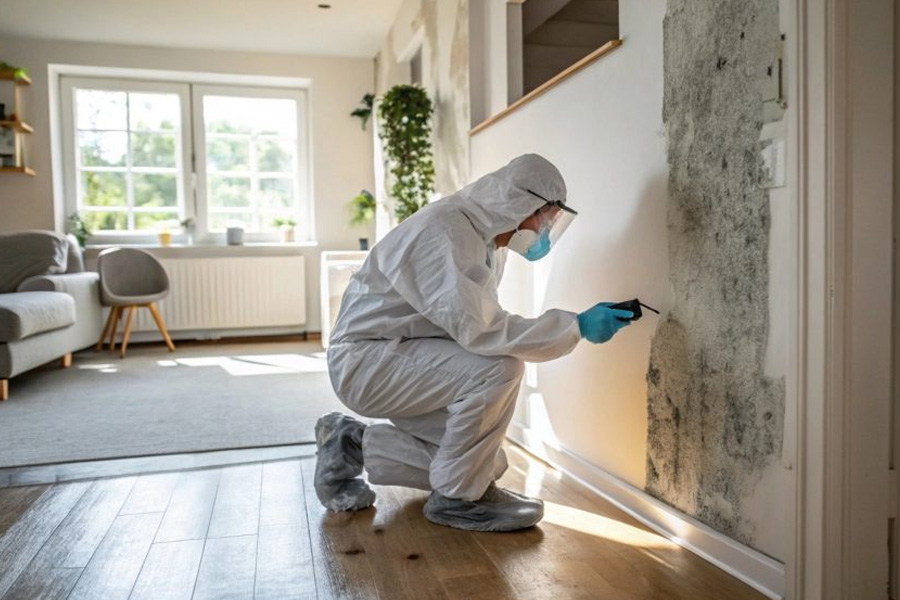
Why Mold Surveillance Should Be an Ongoing Habit
Watching over a property is more than fixing leaks or repainting walls. It’s about detecting silent invaders that thrive behind surfaces—mold being one of the most destructive. Mold may appear as a surface stain, but beneath that discoloration often lies a hidden network feeding on damp materials. When ignored, it can quietly spread through insulation, wood, or paper-based products, corroding them from within.
Consistent monitoring acts like a weather forecast for your indoor environment. It allows you to anticipate trouble long before visible spots emerge. Rather than waiting for an outbreak, regular checks identify shifts in humidity, ventilation issues, or condensation traps that breed spores. This forward-looking habit transforms maintenance from reactionary to preventive, protecting the financial and physical health of your household.
The Silent Pattern of Indoor Moisture
Moisture is the whispering ally of mold. It moves unseen through absorbent materials, settles in wall cavities, and lingers beneath flooring where air seldom circulates. A minor drip from a pipe, forgotten attic condensation, or a poorly ventilated bathroom can all set the stage for colonies to flourish. Even small humidity inconsistencies, if left unattended, nurture growth that gnaws at surfaces over time.
Understanding indoor moisture patterns helps you build a defensive strategy. Dehumidifiers and improved airflow limit these invisible streams. Regular inspections reveal not only mold presence but also moisture sources, such as slow leaks or condensation loops that recur seasonally. Just as a gardener studies soil before planting, a homeowner should study moisture before cleanup.
Protecting Building Integrity through Early Insight
Every structure contains organic materials that mold finds irresistible. Drywall paper, particleboard, carpet backing, and wooden beams carry nutrients for spores once moisture appears. The decline begins slowly. Fibers weaken, adhesives lose grip, and surfaces warp. Without prompt action, damage spreads until repairs become structural rather than cosmetic.
Consistent assessments provide lifesaving early information. Systematic homeowner checkups stop degradation while it’s reversible. The nightmare of gutting rooms or changing frames is avoided. Inspections’ low cost protects against costly reconstruction, proving foresight pays more than repair.
Indoor Air Quality and Human Health
Home air carries more than temperature and scent. Mold sends spores and microbiological pieces into the shared atmosphere when it reproduces. The body reacts with coughing, red eyes, congestion, and weariness. Children, the elderly, and those with respiratory sensitivity may experience a prolonged reaction.
Routine inspection creates breathing space and protects property. Early contamination detection allows quick cleanup before spores rise. Removing the source rather than masking the symptoms improves air quality and comfort. Households that appreciate clean air value energy, sleep, and attention.
The Economic Layer of Routine Assessments
Mold testing and monitoring hold financial weight far beyond immediate repair avoidance. A well-documented inspection history signals diligence to potential buyers or tenants. Homes that show care attract confidence; those with unclear conditions invite hesitation. In real estate negotiations, transparency often determines both speed and value of sale.
Investing in recurring evaluations is also economically strategic for landlords or property managers. Fewer insurance claims, lower turnover costs, and minimized tenant complaints contribute to steady operations. Prevention repeatedly outperforms cure when assessing long-term ownership expenses.
How Professionals Examine Hidden Growth
Modern inspections combine technology and observation. Infrared imaging helps specialists find moist zones behind walls by measuring temperature variations. Surface saturation is measured by moisture meters, while air sampling finds unseen spores ready to grow. Correct analysis identifies vulnerable spots, prompting cleaning staff to targeted action.
An inspection also reviews airflow patterns through HVAC systems, ductwork, and vents. Since spores ride on circulating air, any lapse in filtration or balance can spread contamination throughout the house. Documented testing offers a map of environmental conditions, allowing homeowners to schedule maintenance precisely where risk is highest.
Timing Regular Evaluations
Determining how often to test depends on building age, prior water history, and climate. A humid coastline home faces different challenges than a dry mountain cabin. Annual checks are typically sufficient for most households. However, any event involving leaks, floods, or unexpected condensation calls for immediate review.
Seasonal transitions also warrant attention. Early spring thaw and late summer humidity produce the moisture shifts that mold favors. Scheduling assessments around these intervals strengthens the defense cycle, turning maintenance into a rhythm rather than a reaction.
Extending Protection Beyond the Interior
Mold often starts outside, although inside settings are more popular. Water can penetrate siding and access inside materials through clogged gutters, incorrect grading, or damaged paint. Even landscaping mistakes like pointing sprinklers toward walls cause penetration. Outdoor inspections match indoor inspections, forming a continuous barrier.
Monitoring both sides of a building helps it breathe. Reduces moisture and stagnation with balanced ventilation. This balance makes a home resistant to degradation and environmental neglect’s long-term tiredness.
The Psychological Comfort of Prevention
A mold-free house brings more than physical safety. It gives occupants psychological assurance. Constant worry over unknown leaks or untested corners becomes an unnecessary mental tax. Knowing that your living spaces are periodically examined for moisture imbalance and biological growth allows you to rest easier.
Control and clarity come from prevention. Building inspections, like health checks, build environmental trust. People live with less anxiety, more enjoyment, and an appreciation for small acts of care when they feel in control.
FAQ
How does routine mold monitoring differ from remediation?
Monitoring detects growth before it causes problems. Post-mold remediation involves removal. Consistent monitoring frequently eliminates remediation.
What are warning signs that may appear between inspections?
Musty odors, unexplained allergic symptoms, peeling paint, and persistent humidity despite ventilation indicate moisture buildup. These tips should be addressed immediately rather than waiting for the next check.
Can a homeowner perform reliable mold checks without equipment?
Basic visual and smell tests can reveal moisture, but seldom. Specialist sensors and sampling devices help inspectors see what the eye cannot. Personal monitoring and competent judgment provide the best protection.
Why does humidity management matter so much?
Moist conditions support mold. Small amounts of humidity can activate dormant spores. Dehumidifiers or airflow remove mold’s essential ingredient.
Is it necessary to test after every water leak?
Yes. Any incident involving leaked or absorbed water can initiate growth within a day or two. Early testing confirms whether spores have begun multiplying, allowing for quick cleaning before colonies expand.
How do records of inspections help in the future?
Documentation proves ongoing diligence, which simplifies insurance claims and future property sales. Buyers and adjusters alike respect verified maintenance histories, turning simple records into valuable proof of stewardship.