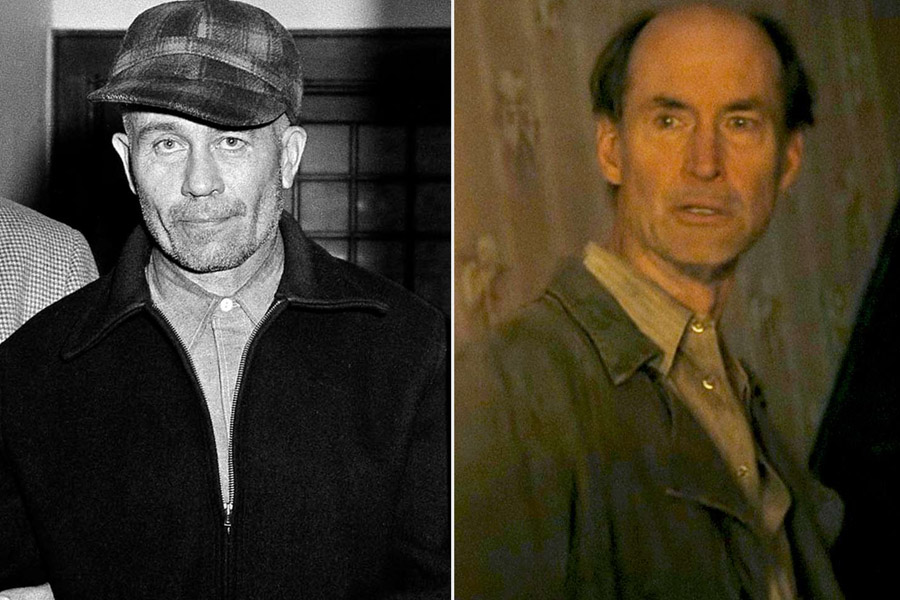
Basic Information
| Field | Detail |
|---|---|
| Full Name | George Philip Gein |
| Birth | August 4, 1873 (Wisconsin, United States) |
| Death | April 1, 1940 (Wisconsin, United States) |
| Spouse | Augusta Wilhelmine Gein (née Lehrke) |
| Children | Henry (c. 1901/1902–1944), Edward Theodore “Ed” Gein (1906–1984) |
| Known Residences | La Crosse (early years), rural farm near Plainfield, Wisconsin |
| Occupations | Carpenter, tanner, small-grocery proprietor, farmer |
| Household Profile | Rural, working-class family; strong religious influence; socially reclusive |
Early Years and Marriage
George Philip Gein was born on August 4, 1873, into the rhythm of the Upper Midwest, a place where fields and forests shaped life’s calendar. In the early 1900s, he married Augusta Wilhelmine Lehrke, a union that threaded together practicality, faith, and a stern sense of duty. Their marriage produced two sons—Henry first in the early 1900s, and Edward Theodore (“Ed”) in La Crosse on August 27, 1906—establishing a household that would later be etched into American memory through the notoriety of the younger son.
The family’s geography mirrored its values: modest homes, hard work, and a measure of self-sufficiency. La Crosse provided a city frame for their beginnings. The countryside near Plainfield provided the canvas for the years that followed.
Work, Money, and Life on the Plainfield Farm
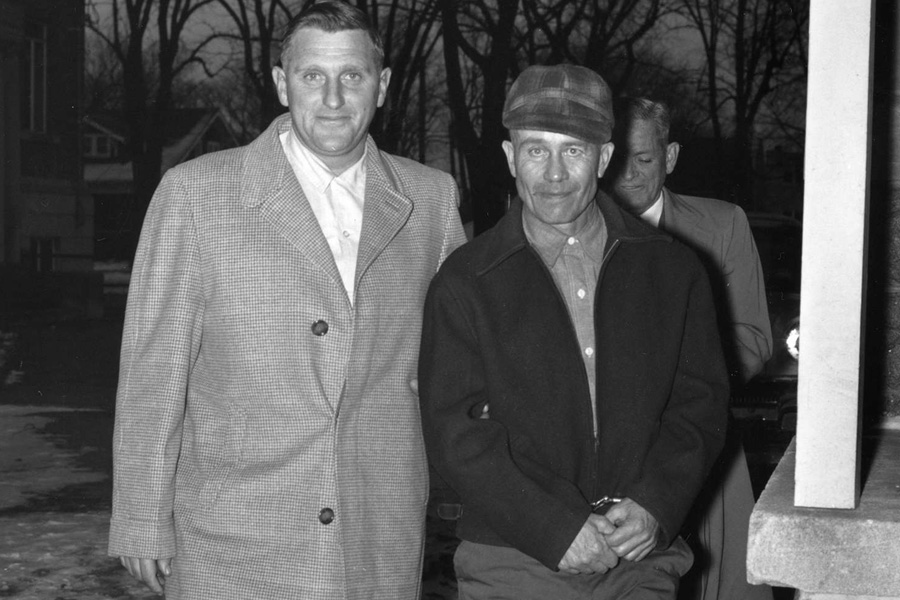
George worked as a carpenter and tanner and, at times, operated a small grocery before the family turned toward farming. By the early-to-mid 1910s, they had settled on a farm of roughly 150 acres outside Plainfield, Wisconsin. That land carried the family through seasons of planting and harvest, chores and repairs, famished summers and stark winters. Like many rural families, the Geins relied on a patchwork of skills and odd jobs—farm labor paired with traditional trades—to keep the household afloat.
Money was never ample. Yet the farm could be steady—steady in the way an old oak is steady, rooted but weathered. The family’s social world narrowed as Augusta’s convictions shaped household routines. Church and scripture were prominent; frivolity and city life were discouraged. Over time, that ethos hardened into isolation.
Fatherhood and Household Dynamics
George’s role as husband and father unfolded in a home ruled by rigid moral instruction. Augusta’s presence was commanding—religiously strict, frugal, and deeply suspicious of outside influence. Within that framework, George did the work at hand while his sons learned endurance and obedience. Household expectations were simple and unyielding: finish your chores, attend to your duties, and keep your world small.
Henry, the elder brother, grew into a man of practical instincts, sometimes contrasting with Ed’s introspective nature. Ed’s childhood—born in 1906, raised on the farm—was marked by the family’s reclusiveness. The boys learned the land, the tools, and the rhythms of rural life. They also learned that the family’s center of gravity rested on their mother’s beliefs and their father’s labor.
A Compact Timeline
| Year/Date | Event |
|---|---|
| August 4, 1873 | Birth of George Philip Gein in Wisconsin |
| Early 1900s | Marriage to Augusta Wilhelmine Lehrke |
| c. 1901/1902 | Birth of elder son, Henry (Henry George Gein) |
| August 27, 1906 | Birth of Edward Theodore “Ed” Gein in La Crosse, Wisconsin |
| Early–Mid 1910s | Family relocates to a farm near Plainfield (~150 acres) |
| April 1, 1940 | Death of George Philip Gein |
| 1944 | Death of Henry, the elder son |
| 1945 | Death of Augusta, the matriarch |
| 1984 | Death of Ed Gein |
Names in the Records: Family at a Glance
| Name | Relationship | Birth–Death | Notes |
|---|---|---|---|
| George Philip Gein | Patriarch | 1873–1940 | Carpenter, tanner, grocer, farmer; rural working-class |
| Augusta Wilhelmine (Lehrke) Gein | Matriarch | —–1945 | Strong religious influence; managed the household and farm |
| Henry (Henry George) Gein | Elder Son | c. 1901/1902–1944 | Worked locally; died in the 1940s |
| Edward Theodore “Ed” Gein | Younger Son | 1906–1984 | Born in La Crosse; later became a nationally known figure |
Work, Character, and the Shape of a Life
George’s occupations—hands-on, practical trades—reflect the survival strategies of rural Wisconsin at the turn of the century. Carpentry and tanning demanded patience and skill; tending a small grocery required judgment and community ties; farming demanded perseverance. He was not a public figure, nor a man of grand reputation. He was, like many of his generation, a man of labor and necessity, making a living from what the land and local markets offered.
Inside the home, George’s presence is often described in relation to Augusta’s forceful personality. While he worked quietly, she steered the family’s moral compass. The result was a household both anchored and constricted—anchored by hard work, constricted by doctrinal certainty and social withdrawal.
After George’s Passing: A Family Unraveling
George died on April 1, 1940, at a point when both sons were adults and the farm still defined family life. His passing removed a piece of the household’s structure—a provider’s routine, a father’s daily tasks. In the years that followed, the family’s cohesion frayed. Henry died in 1944. Augusta died in 1945. Those losses left Ed alone on the property that had, for decades, been both refuge and prison. The sequence of deaths reshaped the family’s world into isolation and decline, with consequences that would later reverberate far beyond Plainfield.
Why George Matters in the Historical Record
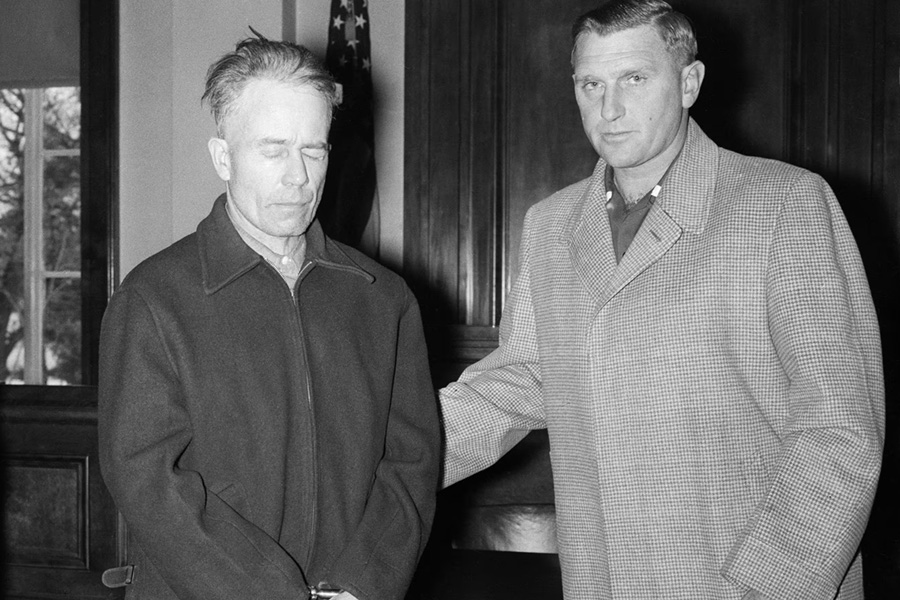
Most modern references to George Philip Gein appear in the shadow of his younger son. Yet George’s story stands as its own chapter: a Midwestern life traced in dates and duties, anchored by farm rows and workbenches. It’s a portrait in simple lines—a father whose legacy of labor and restraint formed the background against which a far darker narrative emerged. To understand the family’s trajectory, you begin with the man who built things with his hands, moved his family from city streets to country fields, and kept the household afloat for decades with the crafts and chores that wore down tools and men alike.
FAQ
Who was George Philip Gein?
He was a Wisconsin-born laborer and farmer, husband to Augusta Lehrke, and father of Henry and Edward (“Ed”) Gein.
When was he born and when did he die?
He was born on August 4, 1873, and died on April 1, 1940.
What work did he do?
He worked as a carpenter and tanner, ran a small grocery at times, and farmed near Plainfield, Wisconsin.
Who were his children?
He had two sons: Henry (born early 1900s) and Edward “Ed” Gein (born August 27, 1906).
Where did the family live?
They lived in La Crosse early on and later on a rural farm outside Plainfield, Wisconsin.
Why is George often mentioned today?
He is frequently referenced in connection with his younger son, Ed Gein, whose notoriety drew attention to the family’s background.
What was the family’s religious environment?
Augusta maintained a strict, devout household that emphasized moral discipline and limited social contact.
