Understanding the Dual Identity of Older Homes
Older homes breathe history. They have timber frames that remember generations, plasterwork molded by craftsmanship no longer common, and ceilings that carry the whispers of past decades. Yet beneath the charm lies a practical dilemma: how can modern air conditioning coexist with such fragile heritage? Installing a new system in an aged property is not about forcing technology into tradition; it is about creating harmony between them.
A homeowner cooling an old house adds more than convenience. They weigh comfort and preservation. Older houses resist quick fixes due to thick walls, tiny roof cavities, or unusual wiring. Respecting the structure’s original architecture generally entails working with idiosyncrasies rather than eradicating them. Getting this balance properly turns a commonplace installation into art that values modern utility and vintage soul.
Architectural Challenges Hidden Behind Beauty
Aged homes conceal complexity behind elegance. What looks like a solid wall may hide uneven brickwork that cannot accommodate ductwork easily. Decorative ceilings may leave little space for running pipes. Even the layout of rooms often refuses the simplicity of straight lines and predictable geometries. Because of this, installing air conditioning in an older home often resembles solving an intricate puzzle.
Electric systems are another challenge. Many properties built in the early to mid-20th century rely on outdated switchboards and limited amperage. Before thinking about cooling capacity, these systems must be examined and, in some cases, upgraded. Without this careful inspection, a homeowner risks overloading circuits or facing costly retrofits later.
A thoughtful installation considers airflow and home breathing. They may suggest strategically placed separate split systems if ducted solutions risk ceilings. It is the difference between forcing comfort and letting it flow with the structure.
Where Heritage Meets Innovation
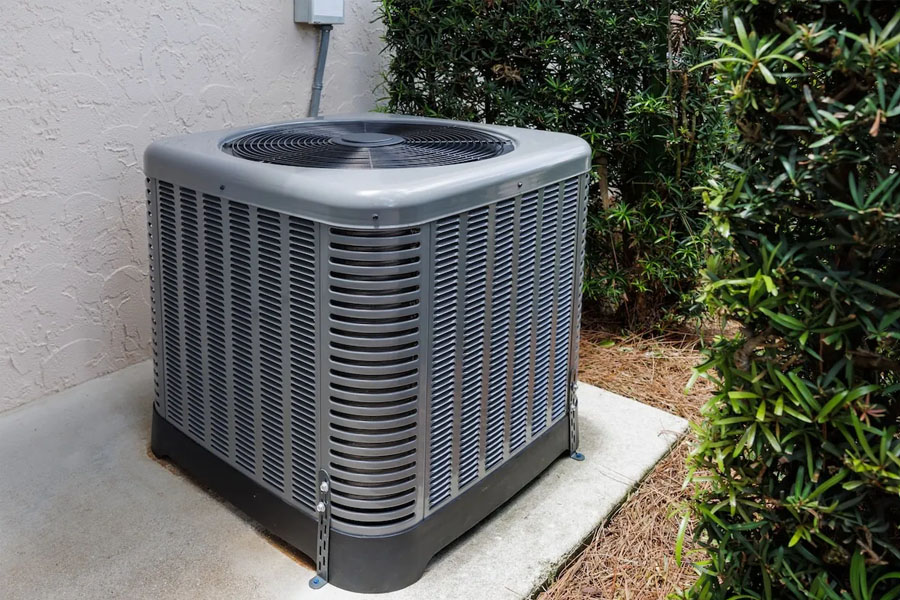
Every heritage-listed house protects community identity. Changes to its appearance could diminish its historic significance. Air conditioning designs should conceal tubing, hide outdoor units, and use finishes that blend into façades rather than shouting modern intrusion.
Consider the way older bricks gleam under afternoon sunlight. Running external pipes across them can distract from their earthy geometry, while drilling through pressed metal ceilings risks losing irreplaceable artistry. An experienced installer reads these cues like a conservator rather than a builder. Their goal is not only to maintain temperature balance but to preserve memory embedded in materials.
A home can be transformed without losing its integrity by combining old and new technology. Harmony is possible with invisible ducting, compact but powerful inverter systems, and color-matched conduits. Well-done air conditioning in a heritage home restrains rather than invades.
The Invisible Enemy: Inefficiency
Behind charming facades often lurks inefficiency. Unsealed windows, drafty doors, and thin insulation allow conditioned air to escape like sand through fingers. It forces any cooling system to overwork, increasing energy consumption and reducing lifespan. The unspoken truth of climate control in older properties is that insulation matters as much as machinery.
Modern insulation, door seals, and thermal film can improve performance. Small modifications turn delicate interiors into air-retaining envelopes. Efficiency doesn’t mean sacrificing authenticity; small improvements can have dramatic impact indoors.
Working with professionals who understand these dynamics allows performance to meet aesthetics halfway. They look beyond the air conditioner itself and study the home as a living system. Every draft, every material contributes to the outcome. A well-insulated period house cooled by a right-sized system consumes less power, feels more comfortable, and maintains its originality.
The Human Factor: Choosing the Right Expertise
Installing air conditioning in a historic property is not a job for a technician who sees all houses as equal. Experience is not measured merely by technical skill but by sensitivity to architectural nuance. A qualified installer walks through the home with the eye of an artist and the logic of an engineer. They note the sound that echoes under high ceilings, the twist of an old staircase, and the grain of timber that has survived centuries.
From that observation comes a tailored solution: one that integrates the system with the building’s personality. A good quote should not be based only on square footage; it should encapsulate the complexity of heritage preservation, electrical adaptation, and aesthetic discretion. The cheapest offer rarely includes this level of consideration.
When a homeowner partners with someone who understands the spirit of older properties, they invest not only in comfort but in continuity. Each decision—from circuit upgrades to grille placement—becomes an act of stewardship.
Long-Term Thinking and Sustainable Outcomes
Air conditioning should never be a short-term fix in older homes. These structures should last, so any improvements should too. By investing in proper assessment, efficient insulation, and building-design-compatible systems, homeowners protect their heritage and reduce energy waste.
Sustainability means making choices that respect the longevity of the home, not just using less electricity. A system that runs smoothly for years without damaging plasterwork or brick facades saves resources and character. It combines comfort and preservation to make history and technology coexist.
The reward for patience and thoughtful planning is not just a cooler summer. It is the satisfaction of knowing that the home’s legacy continues unbroken—its past cherished, its future secured.
FAQ
How can I tell if my older home needs electrical upgrades before installing air conditioning?
First, a licensed installer should check the switchboard and wiring. Limited circuit capacity, old fuses, or flickering lights during high usage may signal a need for an upgrade to properly accommodate current equipment.
Can modern air conditioning be integrated without ruining a home’s visual character?
Yes. Careful positioning of units, hidden ducts, and color matching between components and walls can help maintain aesthetic integrity while achieving efficient cooling. Specialized technicians skilled in heritage preservation offer solutions that respect design heritage.
Why do older houses lose cooled air faster than newer ones?
Many older buildings have single-glazed windows, natural timber framing gaps, and poor wall insulation. These traits allow air to escape quickly, making cooling units work harder and use more energy.
What are the best preparatory steps before installing air conditioning in a period home?
Best practices include sealing drafts, improving window efficiency, and ensuring electrical systems can handle the load. By researching heritage restrictions and consulting experts, costly mistakes can be avoided.
Is ducted air conditioning ever suitable for older homes?
It can be, but only when there is enough ceiling or underfloor space without compromising structural or decorative elements. In many cases, zoned split systems are preferred because they require minimal alteration and can blend seamlessly with vintage aesthetics.
Can air conditioning increase the value of an older property?
Yes, when installed thoughtfully. A well-integrated system enhances livability without diminishing authenticity, adding appeal for future buyers who value both comfort and craftsmanship.
What maintenance habits help extend the life of an air conditioner in an old house?
Regular filter cleaning, outdoor unit clearance, and annual professional inspections are key. Maintaining good insulation also reduces strain on the system, helping it run efficiently for years.
How does insulation interact with air conditioning efficiency?
Insulation stabilizes indoor temperature, reducing air conditioner cycles. This lowers energy costs, prevents component wear, and maintains home comfort.
What should homeowners avoid during installation?
They shouldn’t drill into decorative plasterwork, remove historical timber trimmings, or run cables across brick surfaces. Every change should be reversible and modest to preserve the home’s past.
Are there eco-friendly system options suitable for older homes?
Energy-efficient inverter types, heat pumps, and low-impact refrigerants can fulfill modern sustainability standards without major changes. They provide greener comfort for older homes when combined with careful insulation.